Canine osteopathy
Your dog is very welcome too
Dogs are masters at hiding discomfort. They adapt, keep wagging, and only show late that something is wrong. Osteopathy helps bring back mobility and joy.
Why osteopathy for dogs?
Running, turning, jumping, braking: a dog’s body works hard, every single day. A wild leap from the car, a collision while playing, surgery, or simply the years adding up, all of it can leave restrictions in joints, muscles and fascia. Because a dog keeps compensating, you often only notice once the body runs out of options: rising stiffly, a skip in the canter, less enthusiasm for walks.
During a consultation Jolanda examines your dog from nose to tail, with quiet hands and without force. The dog doesn’t have to do anything, most dogs find the treatment downright pleasant after a few minutes. Treatment uses gentle techniques adapted to the dog.
Signals
What might you notice?
Movement
- Rising stiffly or stiffness after rest
- No longer jumping into the car or onto the sofa
- Difficulty with stairs
- Limping, crooked or irregular movement
- Dragging paws or unusual nail wear
- Less stamina, lagging behind on walks
- Crooked tail carriage or ‘bunny-hopping’ in canter
Behaviour & health
- Pain reaction to brushing, touching or lifting
- Frequent licking or nibbling at one spot
- Restlessness, anxiety or changed behaviour
- Digestive complaints without a clear cause
- Recovery after surgery, injury or a litter
- Support for the older dog (incl. arthritis)
- Preventive check of the growing or sporting dog
In doubt, or is something acute? Have your dog examined by the veterinarian first. Osteopathy complements veterinary care, and where needed Jolanda coordinates with your vet.
Good to know
What to expect
- Familiar surroundings: treatment takes place at your home or a quiet location by arrangement, where your dog is most relaxed.
- Duration: a consultation usually takes 45 to 60 minutes, including history, examination, treatment and advice.
- Number of treatments: one or two treatments usually suffice; a short series for chronic complaints.
- Aftercare: take it easy for a few days, short lead walks, then build up gradually; you’ll get precise guidance.
- For every dog: from puppy to senior, from family dog to athlete.
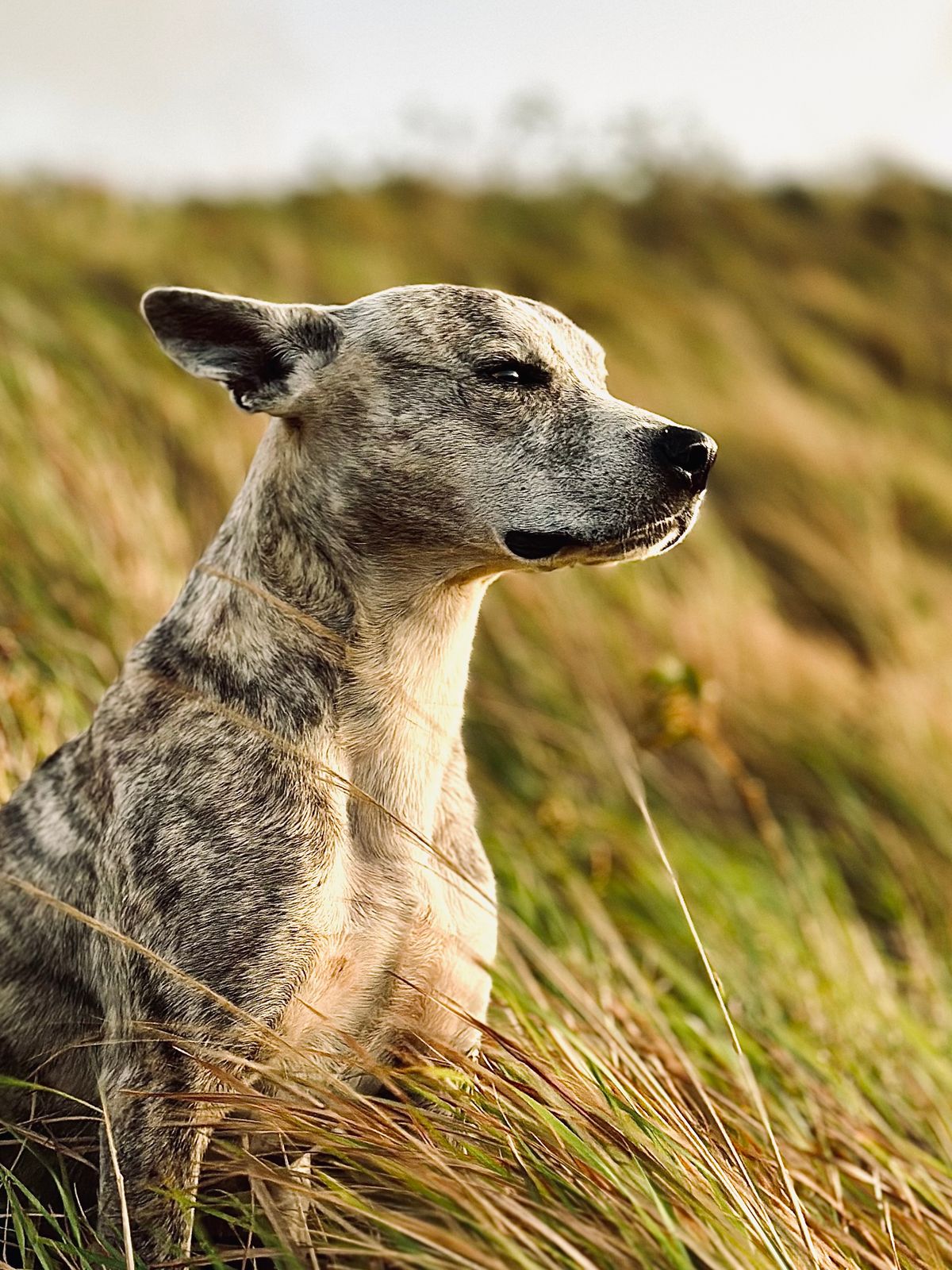
“A dog doesn’t complain. It adapts, until moving is no longer a given.”